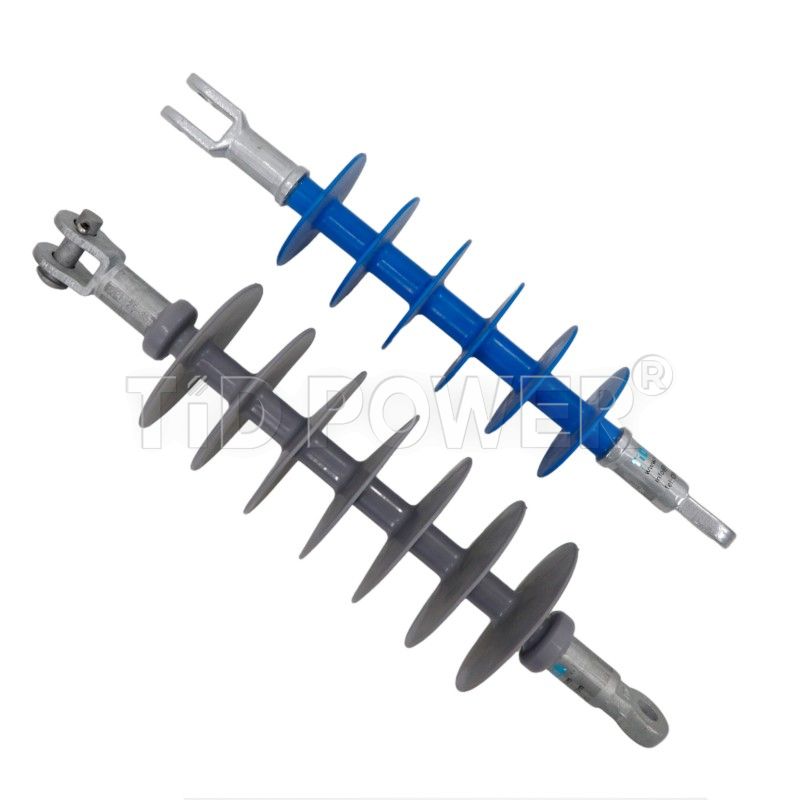
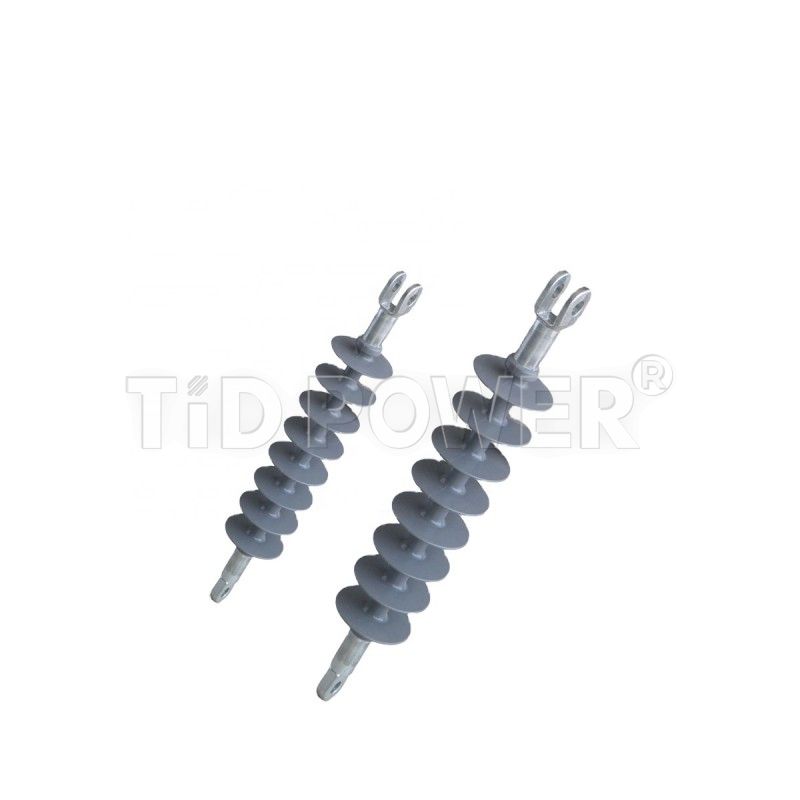
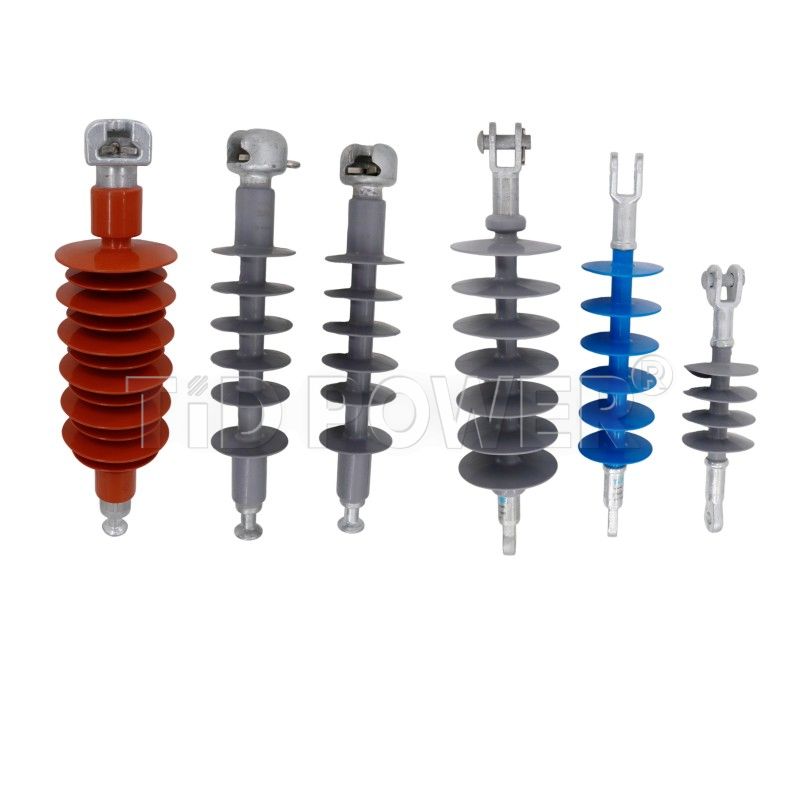
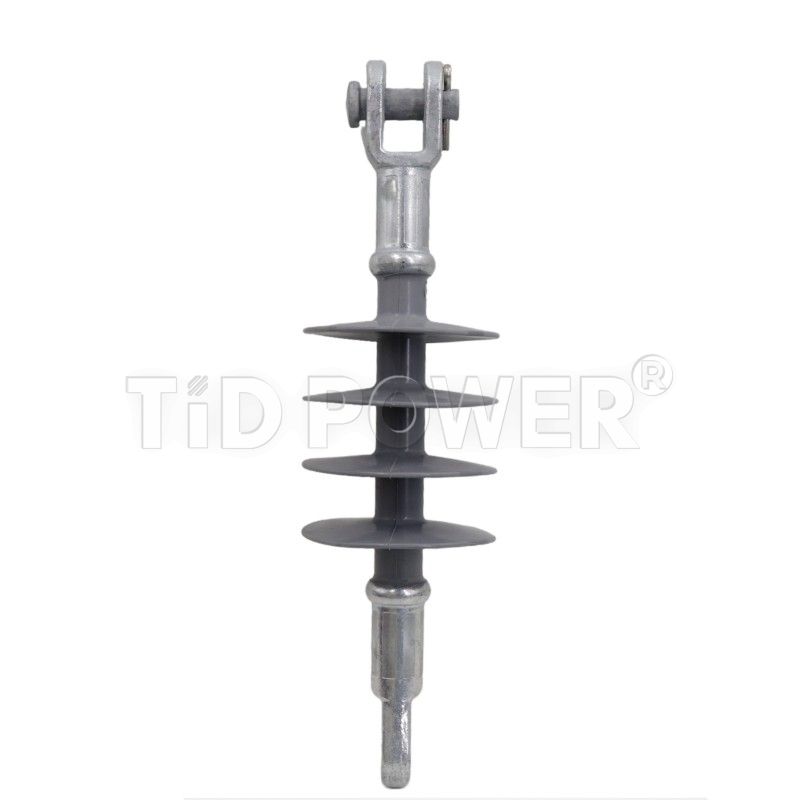
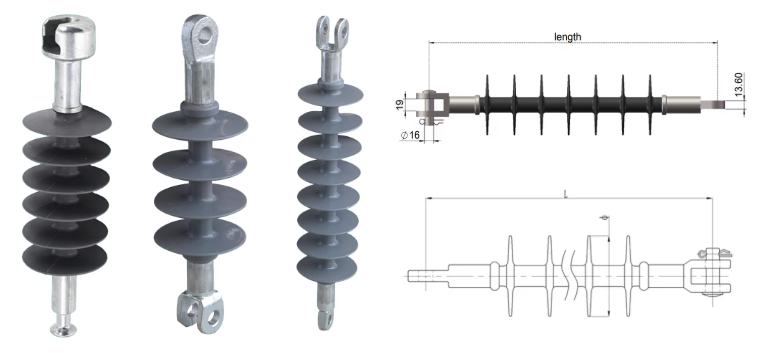
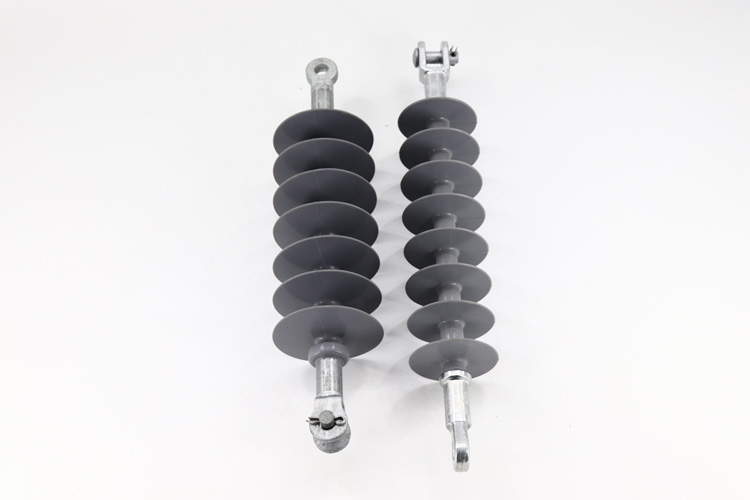
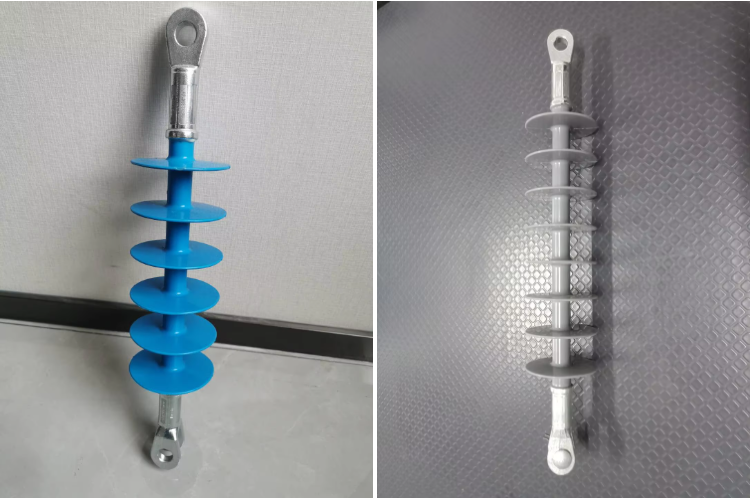
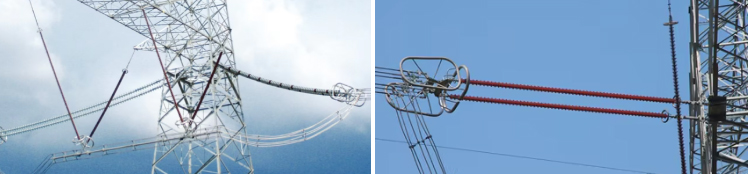
Silicone Rubber insulators are mainly used for insulation, connection and mechanical support between conductors of transmission and distribution lines and towers or other electrical components. Compared with porcelain insulators and glass insulators, silicone Rubber insulators have the advantages of light weight, good hydrophobicity, and maintenance-free. In recent years, silicone Rubber insulators have become more and more widely used in power transmission and distribution lines due to their significant advantages.
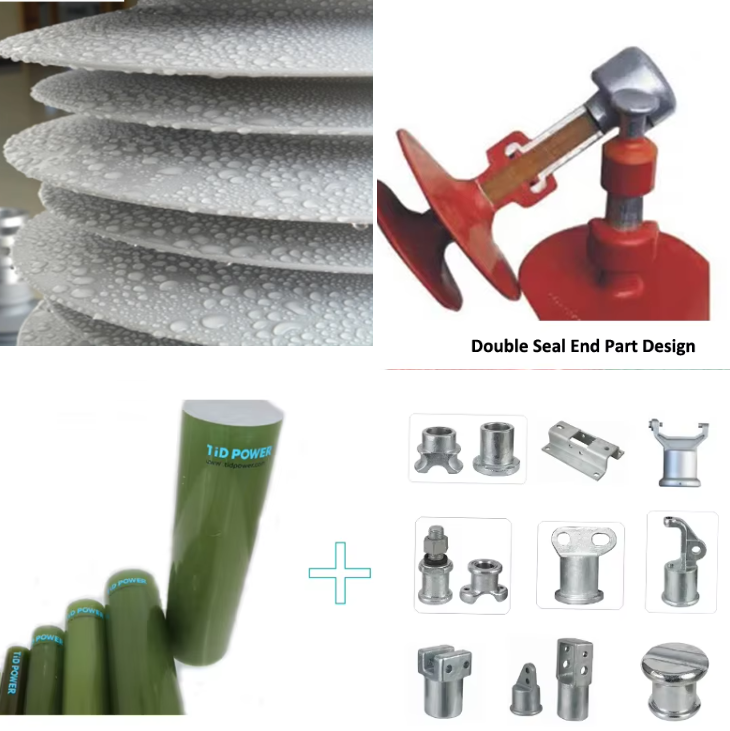
The silicone Rubber insulator is mainly composed of three parts: Fiberglass rod, fitting and silicone rubber. Among them, the Fiberglass rod mainly plays the role of electrical insulation and bearing mechanical strength, and is the core component of the insulator. All our products use high-strength ECR rod, which ensure the good insulation performance and mechanical strength of the products; the outer insulating part is silicone rubber. The main purpose is to protect the Fiberglass rod and increase the creepage distance. Our company adopts a unique silicon-based silicone rubber formula. The product has good hydrophobicity and aging resistance. The Fitting mainly plays a role in connecting and fixing between the insulator and other components. The fittings are made of hot-dip galvanized steel or stainless steel and aluminum alloy according to customer requirements, and the products have very good corrosion resistance.
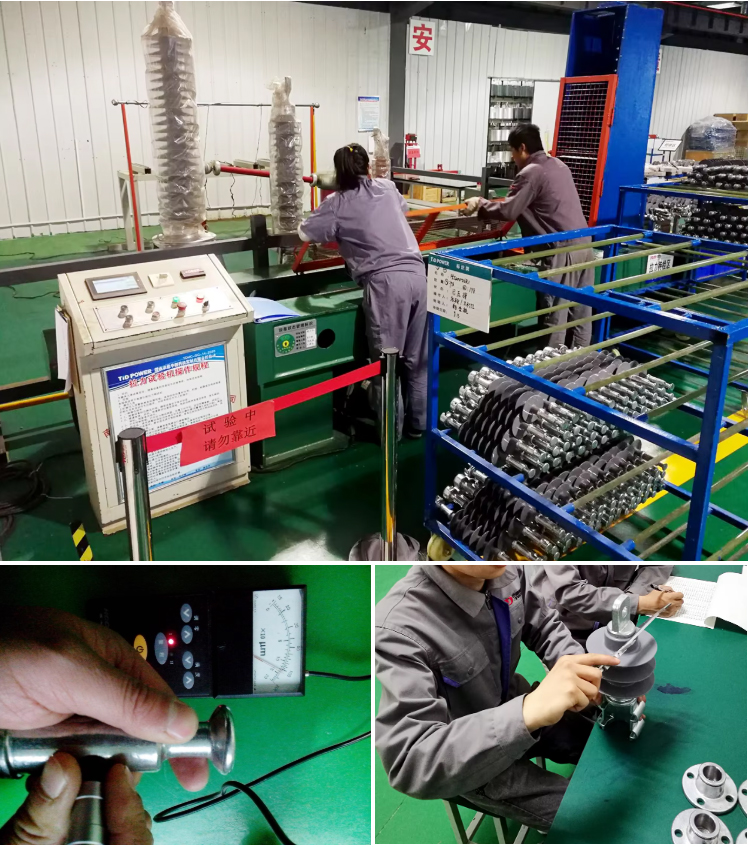
The manufacture of silicone Rubber insulators mainly includes crimping fittings and injection rubber housing. In the crimping process, our company adopts a number of monitoring and crimping technologies, which effectively prevent the insulator core rod and the fittings from being pulled off or broken. In the silicone rubber molding process, our company adopts the overall injection high temperature vulcanization process, and adopts RTV to double seal the end, which effectively reduces the risk of infiltration of the end interface of the insulator by rainwater.
The key technology in the manufacture of silicone Rubber insulators is the bonding of the interface between several materials and the crimping technology of metal fittings and fiberglass rod. If there is a problem with the bonding between the silicone rubber sheath of the composite insulator and the fitting or fiberglass rod, the external contaminants will directly break down along the interface after erosion, the protective effect of the silicone rubber housing on the fiberglass rod will fail, and the contaminants will erode the fiberglass, etc. Hazards, such as tripping, disconnection and other running accidents on the working line. Silicone Rubber insulators are composed of three materials. Different materials have different material properties. The more types of materials, the more interfaces between materials and materials, and the higher probability of interface bonding problems.
We adopts different adhesive processes for the bonding of silicone rubber and fitting and silicone rubber and rod. For many years, we have insisted on using the adhesive of LOAR company in United States to ensure the stability of the bonding effect. When crimping fittings on fiberglass rod, we use the patented ultrasonic sensing system and PC-controlled crimping equipment and technology. If the fiberglass is abnormal during crimping, the system will automatically alarm, which effectively avoids problem of difficult to find when the fiberglass rod broken inside the fitting., the PC-controlled crimping system has the function of pre-crimping, which eliminates the gap between the metal fitting and the fiberglass rod through the pre-tightening pressure and makes the gap tolerance of same the batch of products close to the same. Thus, the consistency and stability of the tensile strength of the same batch products are improved, and the disconnection accident caused by dropping down and breaking is avoided.